
Showing 1–12 of 36 results
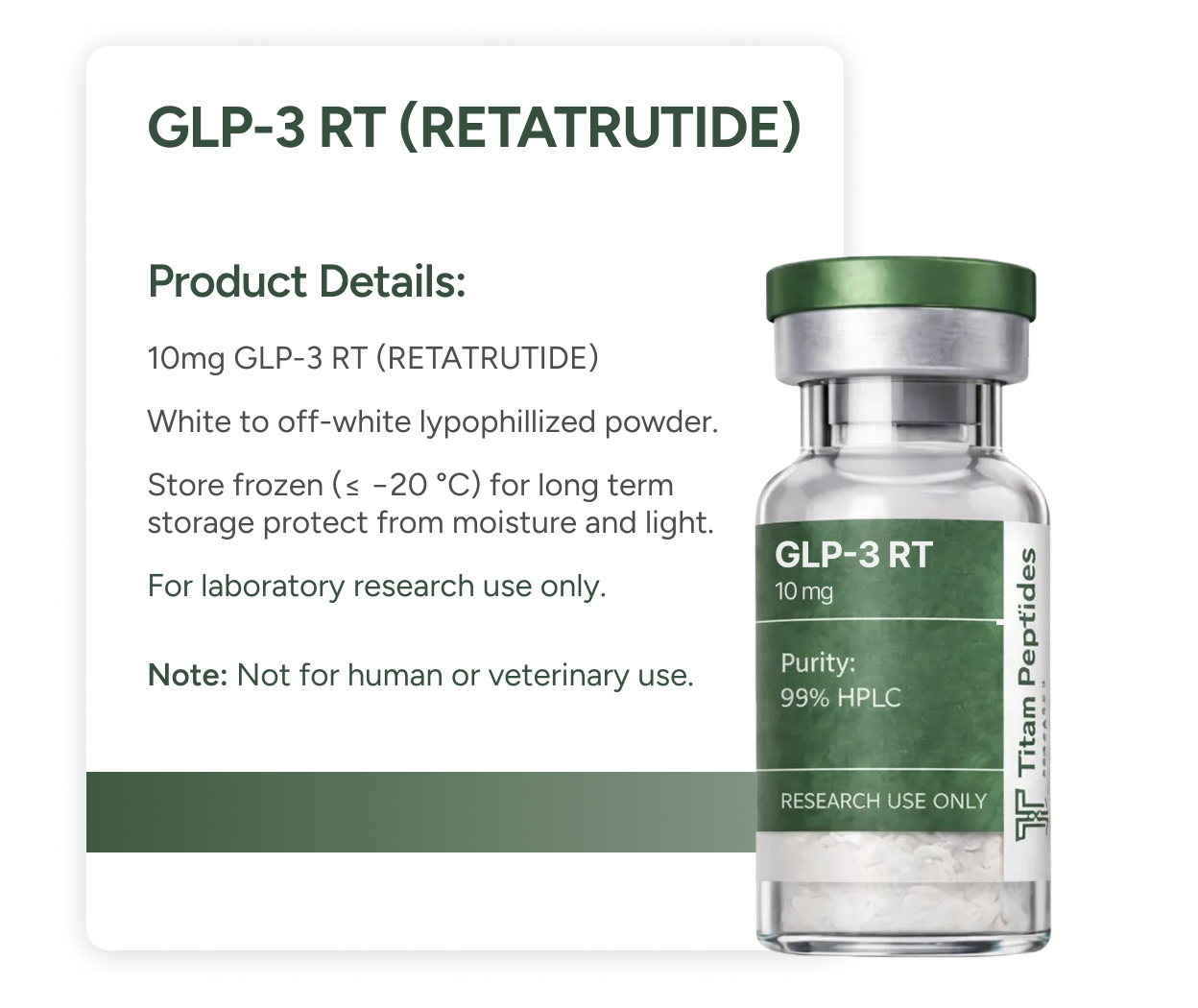
GLP-3 RT (RETATRUTIDE)
Description: GLP-3 RT (Retatrutide) is an investigational unimolecular triple agonist of the glucagon-like peptide-1 receptor (GLP-1R), glucose-dependent insulinotropic polypeptide receptor (GIPR), and glucagon receptor (GCGR). It is being studied for potential effects on glycemic control and body-weight
$24.99 Select options
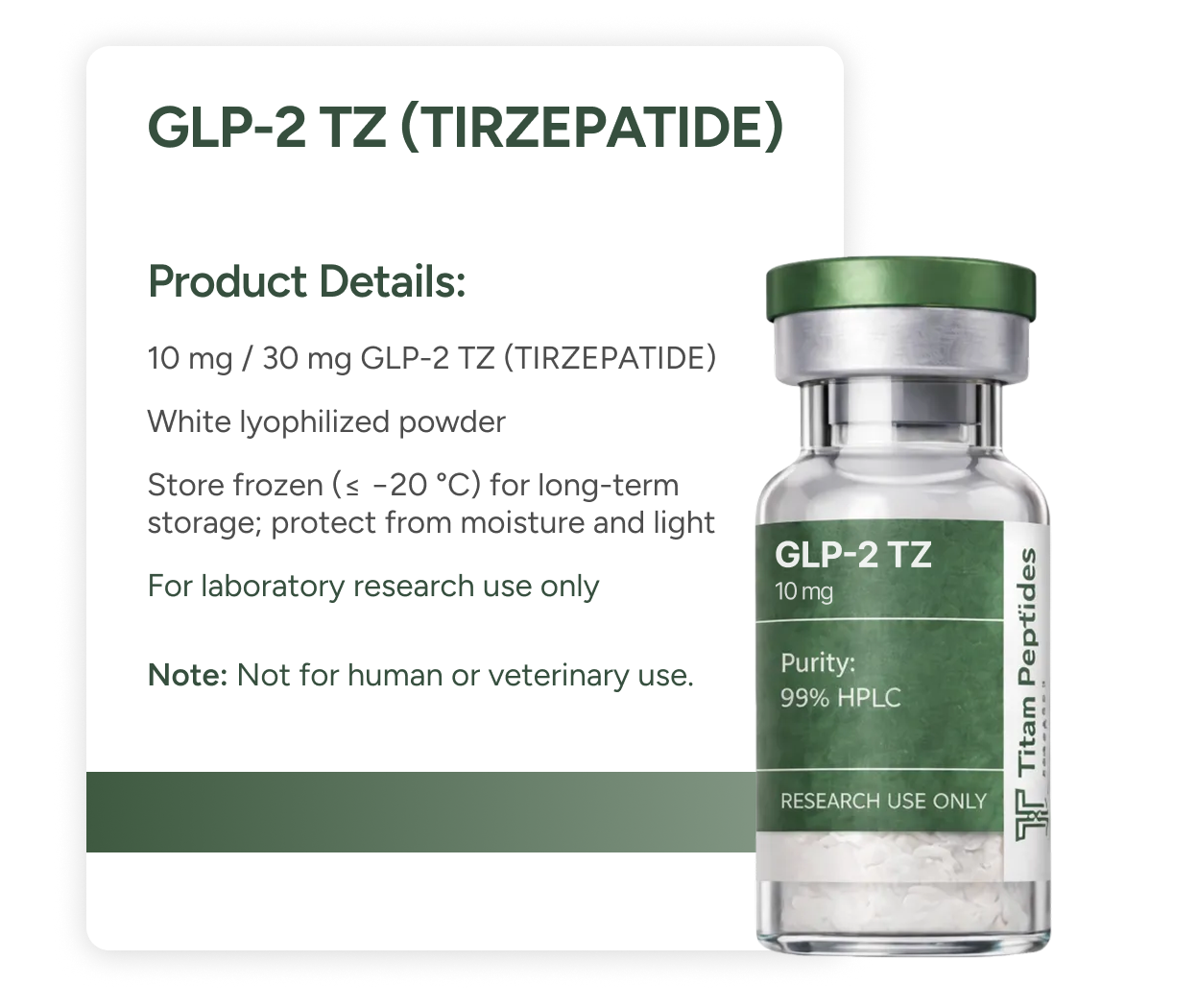
GLP-2 TZ (TIRZEPATIDE)
Description: GLP-2 TZ (Tirzepatide) is a synthetic dual incretin receptor agonist of the glucose-dependent insulinotropic polypeptide receptor (GIPR) and the glucagon-like peptide-1 receptor (GLP-1R). It is used in research settings to investigate combined GIP/GLP-1 receptor agonism and downstream effects
$34.99 Select options
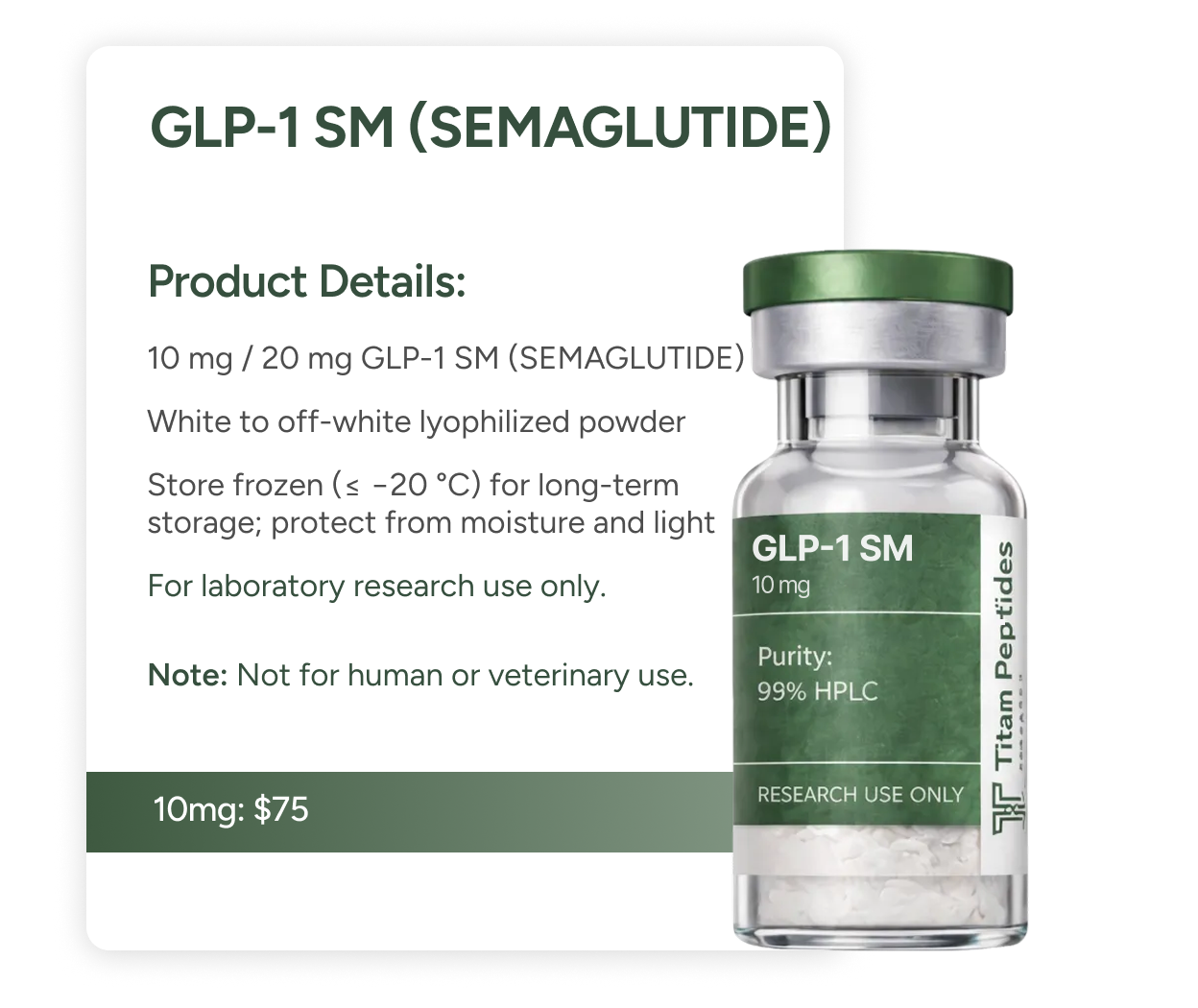
GLP-1 SM (SEMAGLUTIDE)
Description: GLP-1 SM (Semaglutide) is a long-acting glucagon-like peptide-1 receptor (GLP-1R) agonist and modified GLP-1 analog with structural substitutions and lipidation that prolong biological activity. In research settings, GLP-1 SM is used to investigate GLP-1 receptor signaling, incretin physiology,
$30.95 Select options
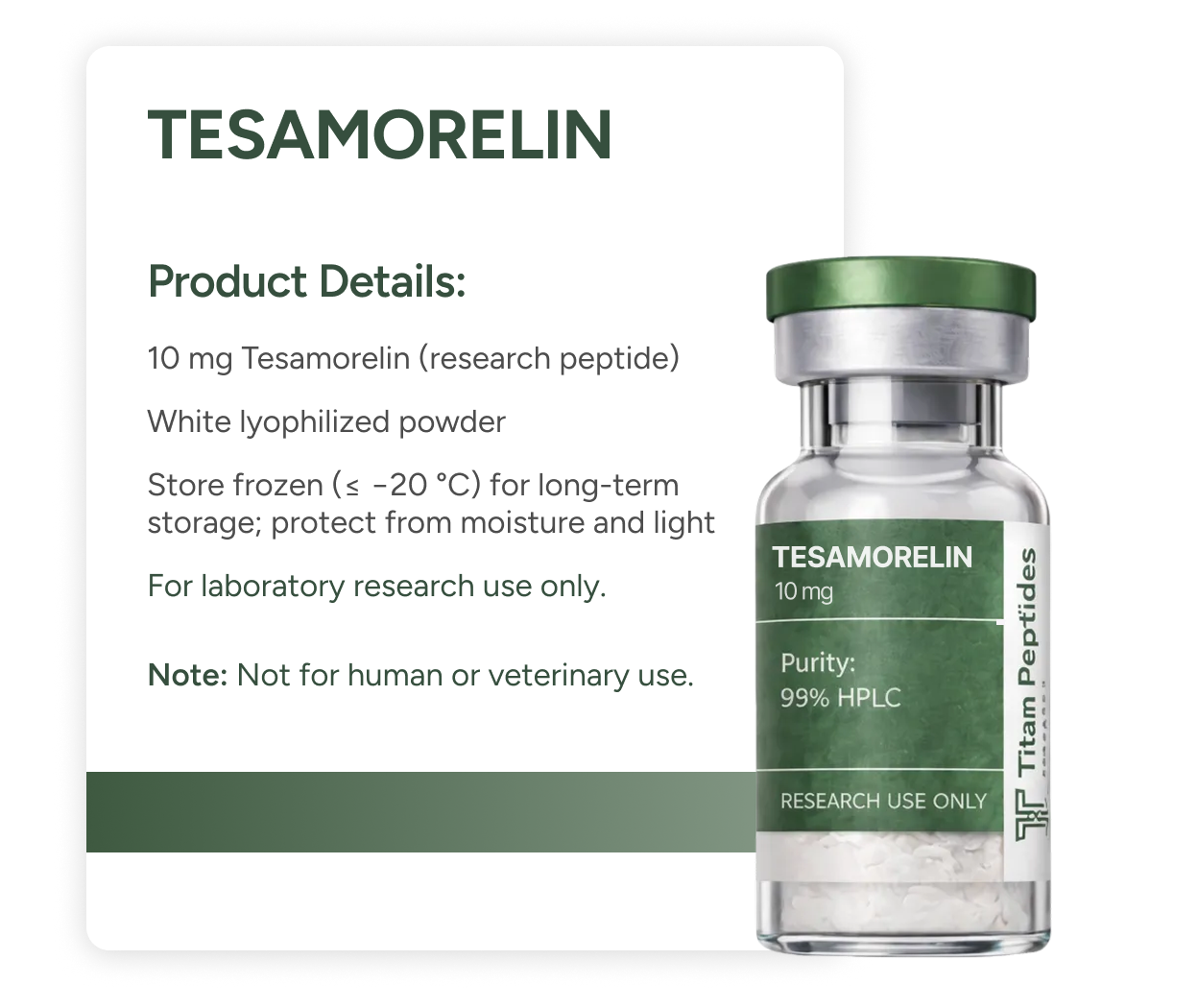
TESAMORELIN
Description: Tesamorelin (TH-9507) is a synthetic human growth hormone-releasing hormone (GHRH; growth hormone-releasing factor, GRF) analog comprised of the 44-amino-acid sequence of human GRF with an N-terminal hexenoyl modification. It is used in research settings to evaluate GHRH receptor activation
$49.99 Select options
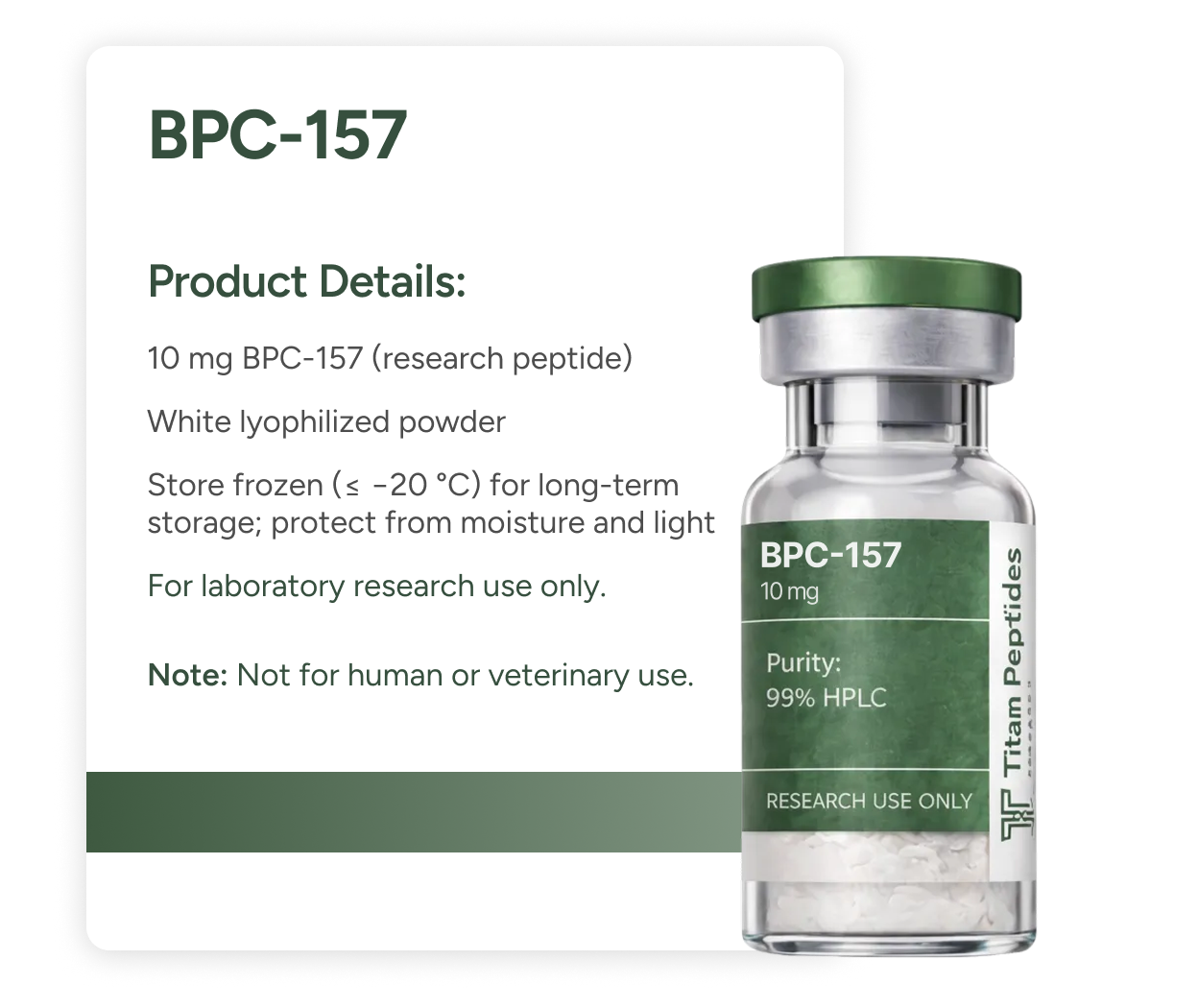
BPC-157
Description: BPC-157 is a synthetic 15-amino-acid peptide (“stable gastric pentadecapeptide”) originally identified in association with proteins present in gastric juice. It is used in research settings to investigate cytoprotective signaling and tissue-repair mechanisms, including experimentally
$39.95 Select options
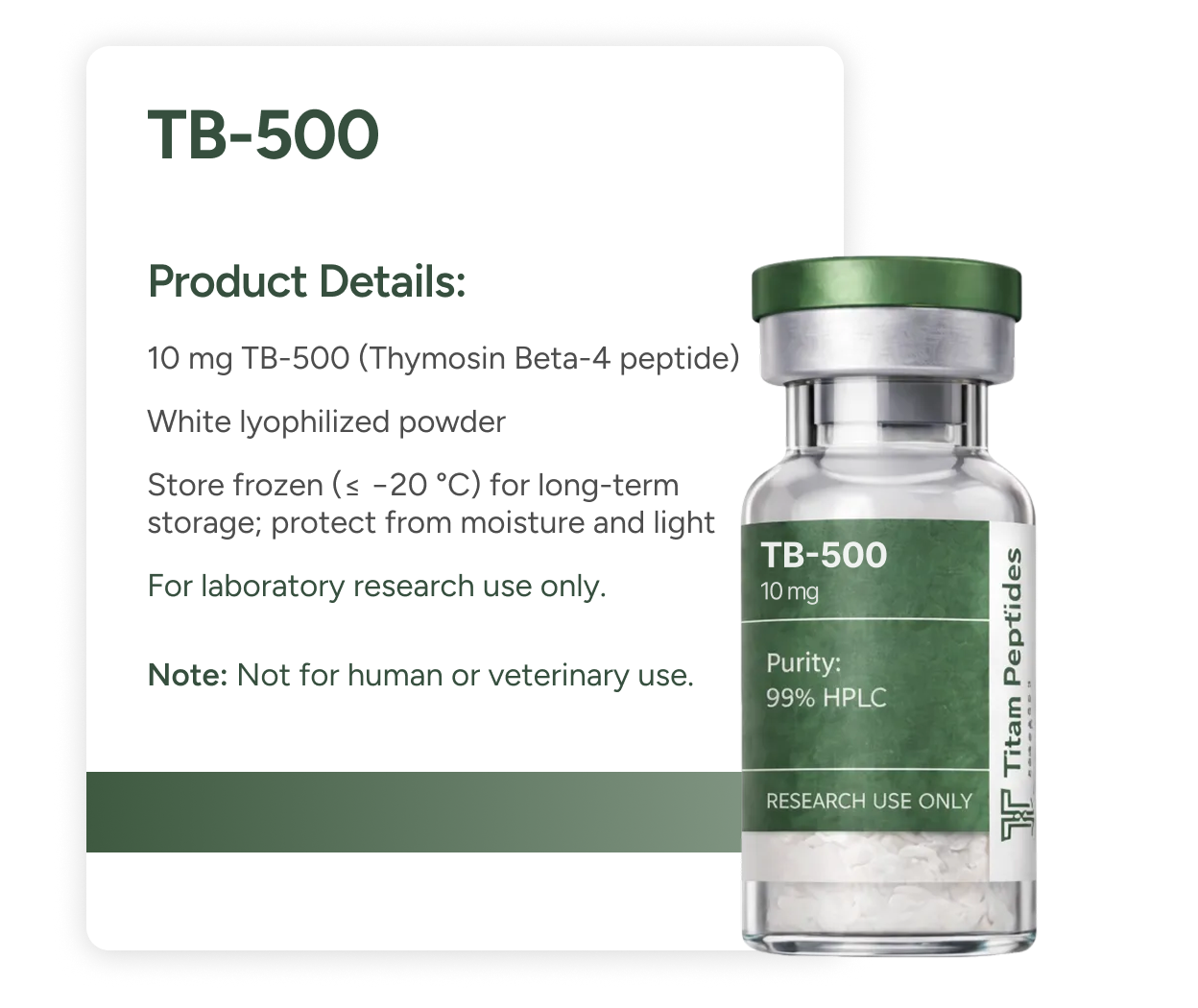
TB-500
Description: TB-500 is a research designation commonly used for thymosin beta-4 (Tβ4), a naturally occurring 43-amino-acid peptide that binds actin and is involved in cytoskeletal regulation and cell migration. In research settings, thymosin beta-4 is used to investigate mechanisms of tissue repair,
$44.95 Select options
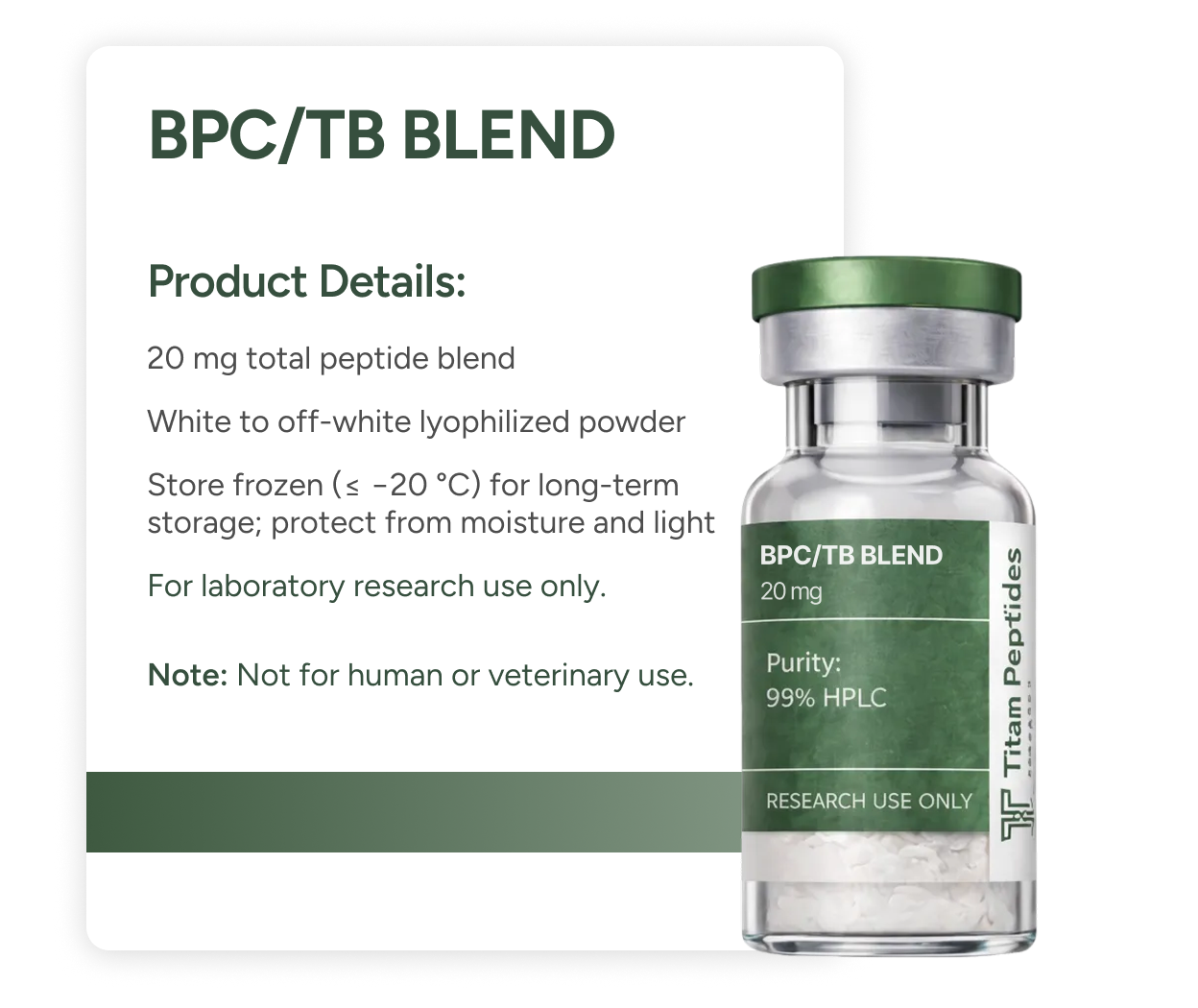
BPC/TB BLEND (WOLVERINE)
Description: BPC/TB Blend is a lyophilized multi-component research formulation containing BPC-157 and thymosin beta-4 (TB-500). BPC-157 is a synthetic 15-amino-acid peptide (“stable gastric pentadecapeptide”) investigated in research settings for cytoprotective signaling and experimentally reported
$69.95 Select options
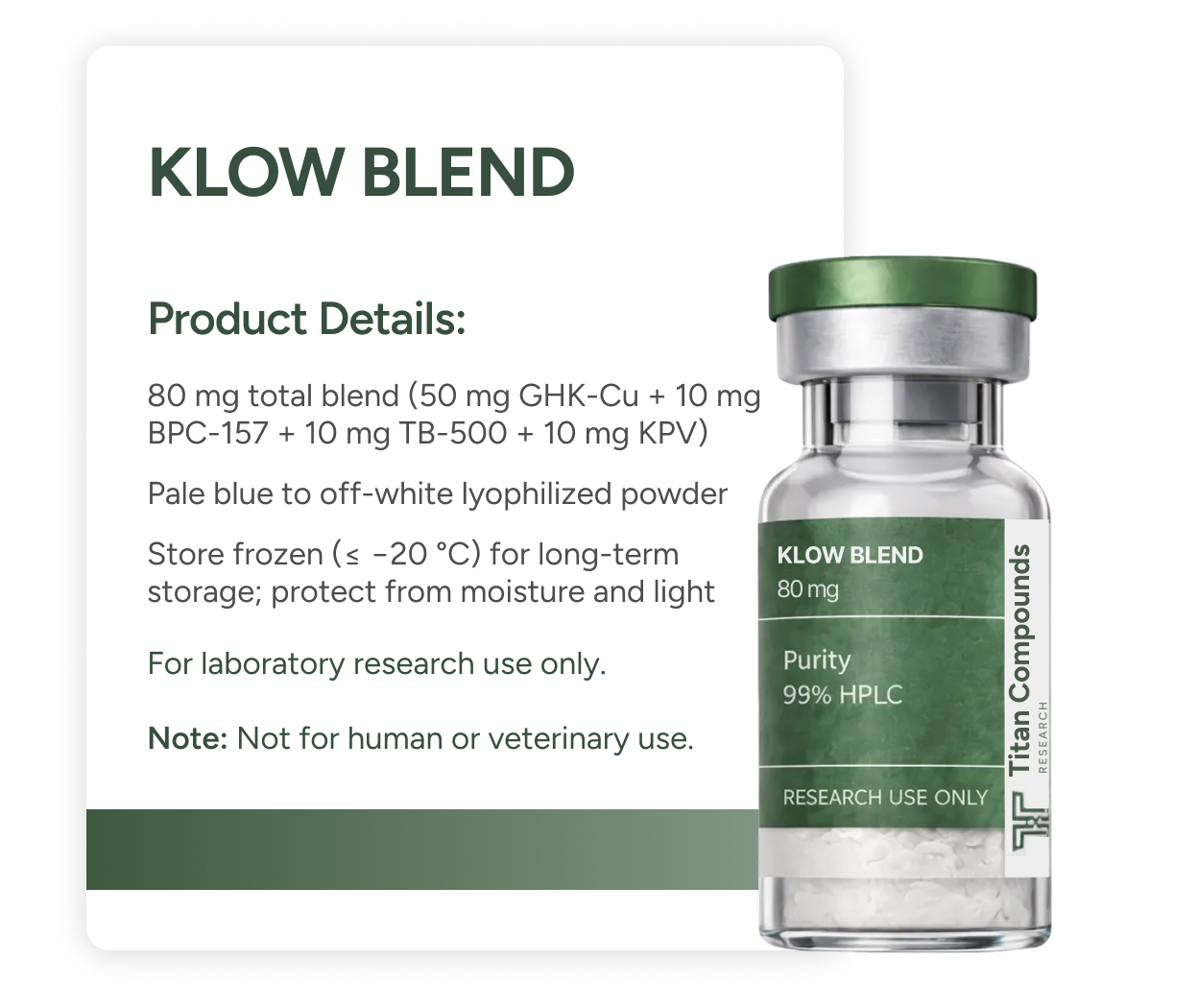
KLOW BLEND
Description: Klow Blend is a lyophilized multi-component research formulation containing GHK-Cu (glycyl-L-histidyl-L-lysine copper(II) complex), BPC-157, thymosin beta-4 (TB-500), and KPV (α-MSH(11–13)). Each component is studied in experimental systems for roles relevant to tissue repair, extracellular
$74.99 Select options
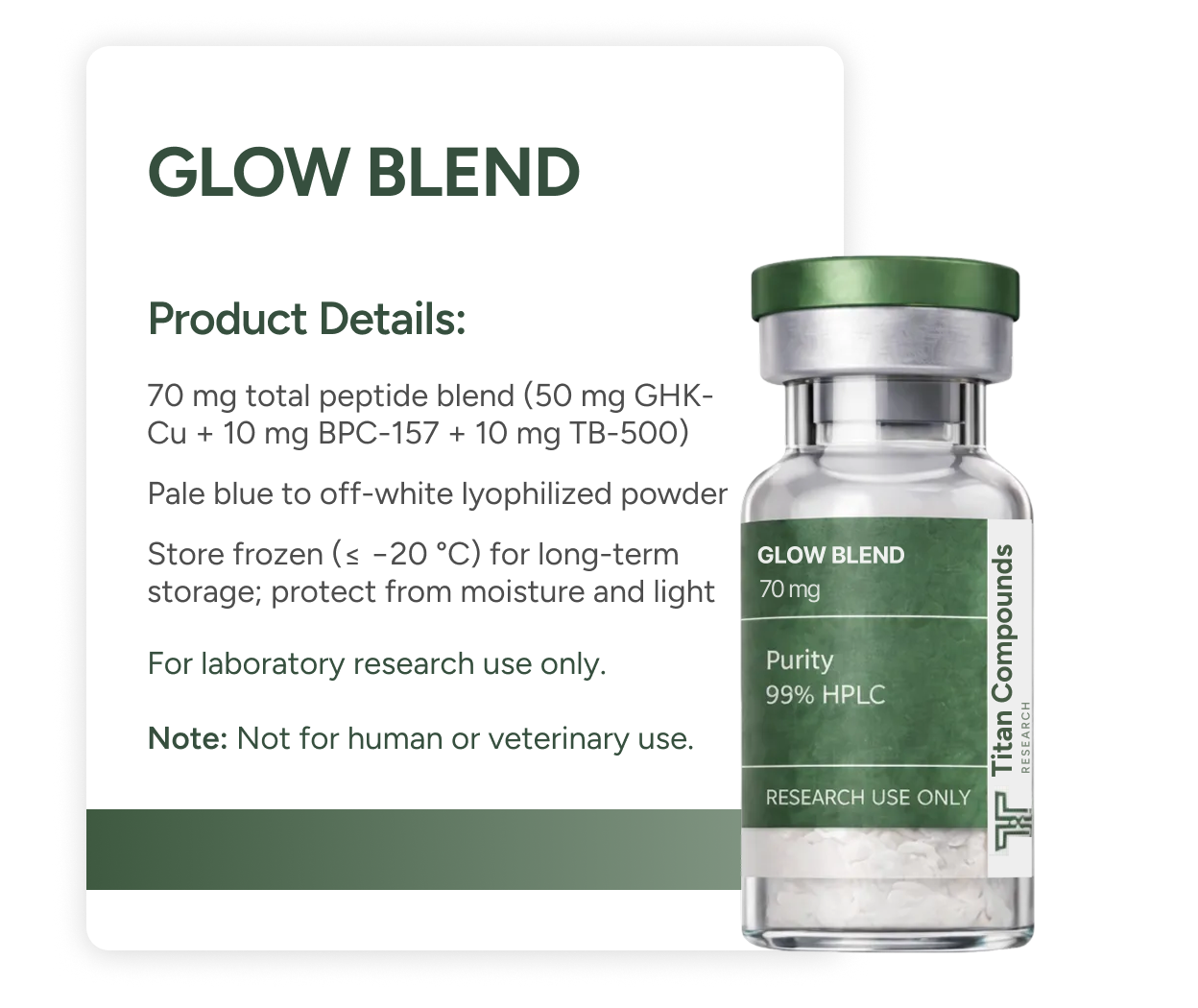
GLOW BLEND
Description: Glow Blend is a lyophilized multi-component research formulation containing BPC-157, GHK-Cu (glycyl-L-histidyl-L-lysine copper(II) complex), and thymosin beta-4 (TB-500). Each component is studied in experimental systems for roles relevant to tissue repair and regenerative signaling pathways
$59.95 Select options
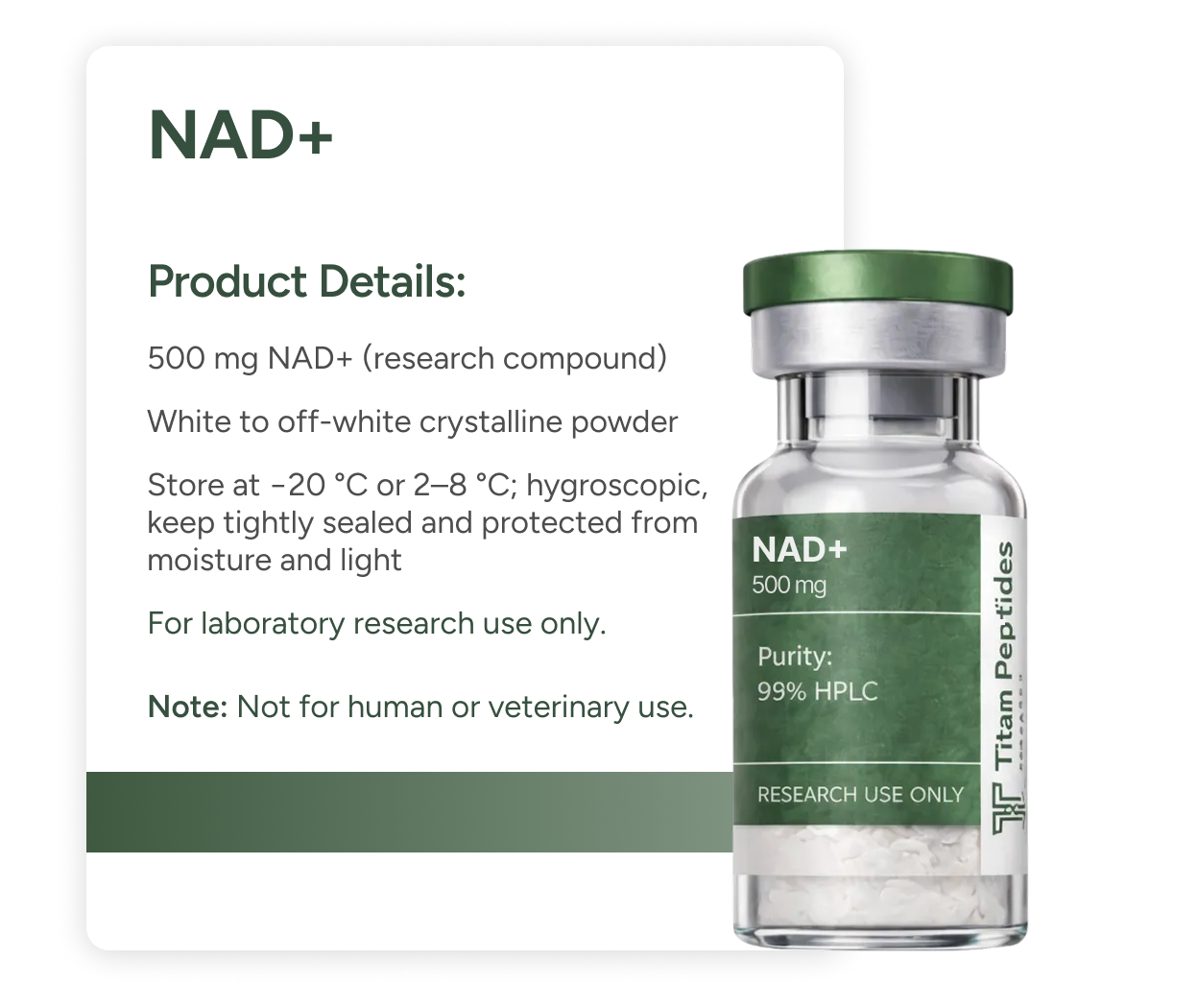
NAD+
Description: NAD+ (nicotinamide adenine dinucleotide) is an essential redox coenzyme involved in cellular respiration and metabolic energy transfer. In research settings, NAD+ is used to investigate mitochondrial function, aging biology, and metabolic regulation. It serves as a substrate for NAD+-dependent
$44.95 Select options
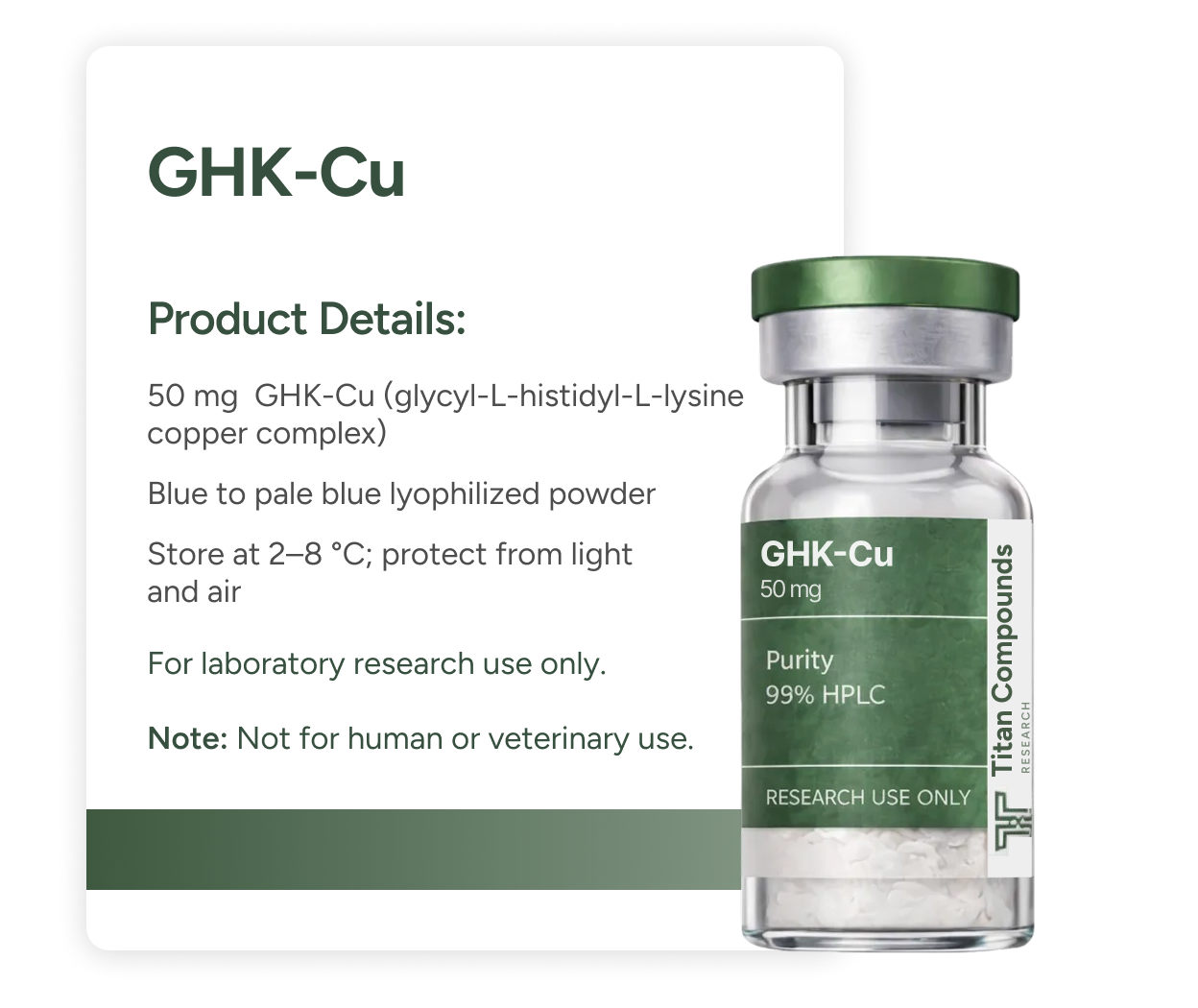
GHK-CU
Description: GHK-Cu is a copper(II) complex of the naturally occurring tripeptide glycyl-L-histidyl-L-lysine (GHK). In research settings, GHK-Cu is used to investigate copper-dependent tissue remodeling and repair pathways, including extracellular matrix regulation (e.g., collagen/proteoglycan balance
$34.99 Select options
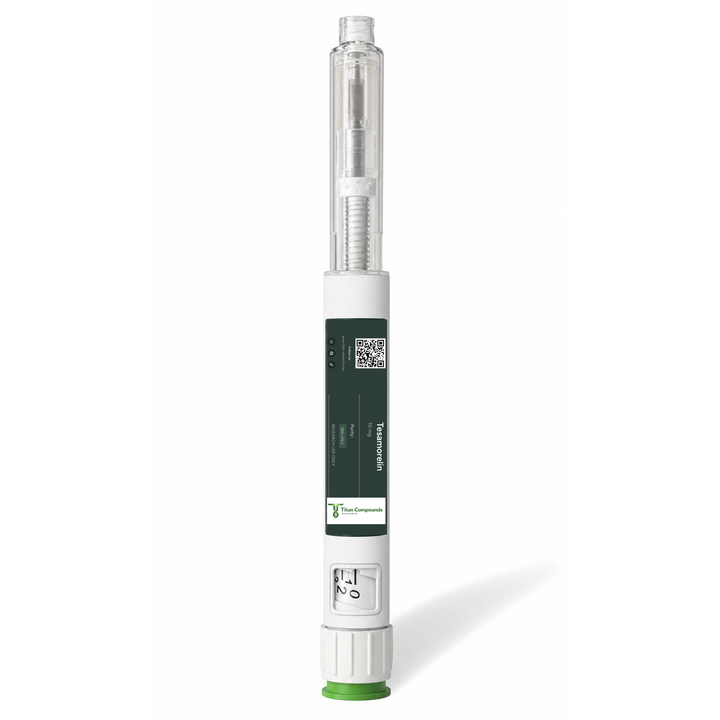
TESAMORELIN PEN
Tesamorelin 10mg or 20mg / 3mL Pre-Filled Research Pen contains 10mg or 20mg of Tesamorelin in 3mL of sterile solution. Designed exclusively for laboratory research and in-vitro applications, each pre-filled pen is prepared to support accurate and consistent research handling.
For Research Use Only.
$119.99 Select options